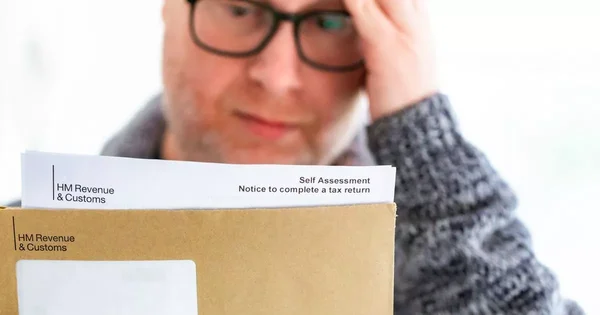
A growing number of hairdressers and salon owners across the United Kingdom have begun refusing service to Labour Members of Parliament in protest against the government's latest business rates policy.
The movement follows similar action by publicans, who have voiced strong criticism of Chancellor Rachel Reeves’ budget measures announced last month.
Small businesses argue that despite headline commitments to supporting them, the changes will leave many worse off and struggling with increased operational costs.
Widening protest among small businesses
Barbers and salons are now joining over 1,000 pubs in barring Labour MPs from their premises. These actions highlight increasing discontent among high street businesses with the government’s approach to business rates relief.
Many argue the measures fail to address the ongoing pressures linked to inflation, rising wages, and other overheads. Several high street firms have stated that the proposed relief a 5p reduction in the multiplier used to calculate final rates bills falls short of the substantial 20p reduction many had requested.
Industry representatives warn that any benefit from the slight relief will be neutralised by increases in rateable values, effectively cancelling out gains for small businesses.
Details of business rates changes
The Chancellor’s policy aims to rebalance tax burdens by increasing business rates for larger commercial properties while marginally reducing these for smaller outlets.
Chancellor Rachel Reeves has argued this will create a fairer environment for high street traders compared to larger online and out-of-town competitors. However, small business leaders dispute the effectiveness of these changes.
The modest reduction in the rates multiplier has, according to multiple business owners, not kept pace with heightened rateable values and other escalating costs.
Impact on hairdressers and salons
Salon owners have voiced alarm at significant increases in their annual business rates bills. Collette Osborne, who operates two salons in Nottinghamshire, stated her annual charges are expected to rise by over £10,000.
Osborne explained that current circumstances leave no room to absorb additional costs after recent increases in wages, utilities, and finance expenses, as well as ongoing repayments linked to Covid-era debts.
One London hairdresser, Emma Vickery, highlighted the challenge of maintaining a sustainable business after contributing to public finances for nearly four decades.She warned that unless the government recognises the difficulties faced by small employers, the high street risks losing longstanding businesses.
Industry reactions and statements
Salon Employers’ Association spokesperson Toby Dicker described members as ‘decent, hard-working’ people who had expected substantial support from a Labour government. He stated that members ‘feel betrayed’ by the budget, having anticipated real relief as the government pledged to ‘make work pay.’
Meanwhile, Conservative business spokesperson Andrew Griffith claimed, ‘This government will not listen to small businesses, so it is no surprise salons have joined pubs in banning their Labour MP.
Perhaps if policymakers experience a fraction of the hardship felt on Britain’s high streets, their approach may change.’
Government response and context
A government spokesperson stated, ‘The Government is backing high street businesses across the country, including hairdressers and salons. That is why the Chancellor announced a support package worth £4.3 billion at the Budget last month.’
Official documents confirm this package is designed to provide targeted relief for small businesses. The Treasury’s policy seeks to balance relief for smaller firms with increasing contributions from larger premises, with the broader aim of maintaining competitive and vibrant high streets.
Final Summary
The recent boycott of Labour MPs by barbers and hair salons brings renewed national focus to the challenges facing small businesses amid ongoing business rates reforms.
While the government maintains that its new policy and £4.3 billion support package will help the high street, local employers and industry groups are warning of adverse effects from rising rateable values and insufficient specific relief.
This protest reflects wider discontent and may prompt scrutiny of future tax and support packages for small firms. For those seeking clearer insights on UK business tax and policy developments, further analysis is available in the Pie app.