More than 1.3 million households in the UK have recently received unexpected tax bills from HM Revenue & Customs (HMRC), with many state pensioners among those affected.
The rise in these so-called 'simple assessment' notices is linked to a combination of factors, including the ongoing freeze of the personal income tax allowance and annual increases in state pension amounts.
This development has led to concerns among pensioners and financial experts, as growing numbers of individuals many of whom have previously not owed tax are now required to pay additional sums to HMRC. The situation highlights the widening impact of current tax policies and points to calls for broader reforms.
Sharp Increase in Simple Assessment Notices
A recent Freedom of Information request revealed that, during the 2023/24 tax year, over 1.3 million individuals in the UK were sent simple assessment tax demands by HMRC.
This figure is nearly double the number issued just two years earlier, reflecting a marked shift in the number of people drawn into the tax net via end-of-year calculations. According to Steve Webb, a partner at pensions consultancy LCP and former Pensions Minister, this jump is largely attributed to tax thresholds remaining static against rising pension incomes.
Many of the recent simple assessment notices were for relatively modest amounts, with close to a quarter of demands under £100. However, nearly a quarter were for more than £1,000, underlining the increasingly significant financial impact on some households.
Impact of the Frozen Personal Allowance
The income tax personal allowance the amount of income individuals can earn tax-free remains frozen at £12,570. Current government policy is to maintain this threshold until the beginning of the 2031/32 tax year.
This freeze, coupled with inflation and annual uprating of pensions, results in more people crossing the taxability threshold each year. Steve Webb commented that the policy has significantly increased the number of pensioners facing additional tax bills, noting, 'many of these people will be pensioners whose only income is the state pension, and they now get an annual tax demand, with the amounts growing each year.'
He added that while the government has proposed to address this issue for a limited group of pensioners from 2027, a more comprehensive solution is needed.
Rising State Pension and Tax Thresholds
From April, the full new state pension will increase by 4.8 percent to £241.30 per week. Over the year, this totals £12,547.60 leaving pensioners just £22.40 below the personal income tax allowance.
As a result, even modest additional income from savings or other sources could push many pensioners above the tax-free ceiling.
Experts warn that without changes to personal allowance thresholds, further state pension rises could see a substantial proportion of pensioners becoming liable for annual tax bills, potentially for the first time.
Understanding 'Simple Assessment' Tax Bills
A simple assessment is an end-of-year demand sent by HMRC when tax owed cannot be collected automatically, such as through pay as you earn (PAYE) arrangements. Individuals may receive such an assessment if they owe £3,000 or more, have tax to pay on their state pension, or other income not taxed at source.
The assessment letter sets out the taxable income HMRC has recorded for the year including payments from employment, pensions, and state benefits alongside any tax already paid and the amount currently due.
Recipients are encouraged to check these details against their own records, such as P60s, bank statements, or Department for Work and Pensions (DWP) correspondence.
How Pensioners Are Taxed
The method by which tax is paid depends on both the type of pension and the presence of other income. For those receiving only the state pension and no private pension, tax cannot be deducted at source.
In these cases, HMRC issues a tax bill at the end of the relevant tax year using information provided by DWP. Where individuals receive both private and state pensions, providers may deduct tax using PAYE codes assigned by HMRC.
However, the growing number of people relying solely on the state pension now nearly equal to the personal allowance means more recipients are receiving direct tax demands from HMRC under the simple assessment system.
Final Summary
The surge in simple assessment tax bills from HMRC reflects the combined impact of frozen tax allowances, rising state pensions, and changes in how income is taxed for pensioners.
More than 1.3 million households, many headed by retirees, found themselves with unexpected tax liabilities in the 2023/24 tax year. With the personal allowance set to remain static and state pensions continuing to rise, further increases in affected households are likely unless structural tax changes are introduced.
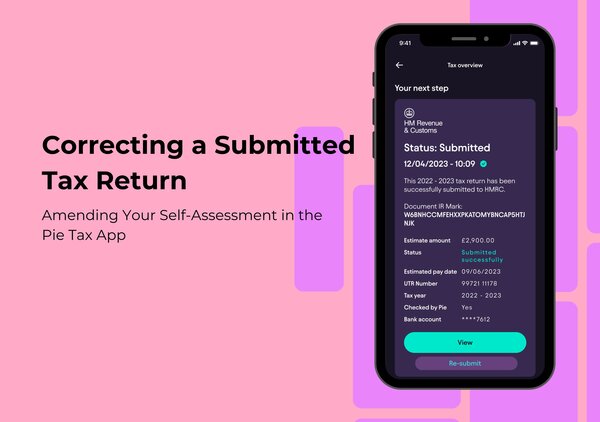
Individuals are advised to monitor their income closely and review any correspondence from HMRC to ensure compliance. For further guidance and tools to manage personal tax matters, users may find the Pie app a useful resource.