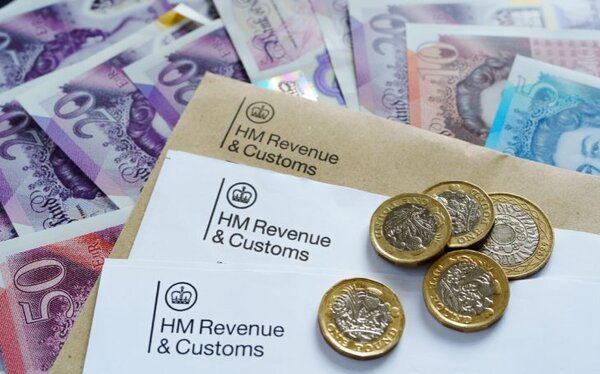
Around one million individuals in the United Kingdom have missed the deadline to submit their self-assessment tax return, according to HM Revenue and Customs (HMRC). The deadline, which passed at midnight on 31 January, applies to those with income not taxed at source, such as self-employed workers, landlords, or people with more than one source of income.
Those who did not file on time now face automatic penalties, prompting HMRC officials to advise delayed filers to complete their returns as soon as possible to avoid further charges.
Scale of missed tax deadline revealed
HMRC reports that approximately 11.5 million tax returns were filed for the tax year, but nearly one million individuals failed to submit theirs by the required deadline. While this number is substantial, it is in line with the figures from the previous year, indicating similar compliance rates.
The UK tax authority regularly publishes figures on tax return compliance, emphasising the ongoing challenge of ensuring all eligible taxpayers meet their obligations.
HMRC reiterates the importance of timely filing, noting that penalties are structured to encourage compliance and fund essential public services.
Final hours see rush of submissions
The final evening of the deadline saw a notable surge in last-minute activity. According to HMRC, 27,456 submissions were made during the final hour before the cut-off. The busiest period occurred between 17:00 and midnight, with a total of 475,722 returns received on the last day.
To accommodate the increase in demand, HMRC extended the opening hours for its telephone helplines and webchat services during the final weekend. These additional support measures aimed to assist taxpayers experiencing technical or administrative difficulties as the deadline approached.
Who is required to file a return?
Most employees in the UK have their tax deducted automatically through PAYE (Pay As You Earn), and are not required to complete a self-assessment return. However, those with more than one source of income, including self-employed individuals and landlords, must file their own returns each year.
Rises in self-employment and rental income in recent years have led to more people being required to submit returns. For the 2023–24 tax year, anyone earning more than £1,000 from self-employment or property letting is required to file.
Certain individuals previously required to file, such as those earning above £150,000 from employment alone, were exempt this year due to adjustments in income thresholds and child benefit arrangements.
Penalties for late submissions explained
Failure to meet the 31 January deadline results in an immediate fixed penalty of £100. This applies even if there is no tax to pay, or if the outstanding amount is settled on time. Additional penalties incur if the return remains unfiled: - After three months, an extra daily penalty of £10 is charged, up to a maximum of £900.
At six months, a further penalty of 5% of the tax due, or £300 (whichever is greater), is added. - After twelve months, another 5% or £300 (whichever is greater) may be imposed. - Late payment also attracts charges: 5% of tax unpaid at 30 days, six months, and twelve months past the payment date.
Interest is applied to any overdue tax. HMRC determines penalties based on statutory guidelines and collected tens of millions of pounds annually through this system, supporting public finances.
Options for those facing penalties
Taxpayers who have missed the deadline are encouraged to submit their returns as soon as possible to limit further penalties. HMRC has stated it will consider reasonable excuses for late filing, such as serious illness or bereavement, which may lead to the penalty being waived.
Guidance on what constitutes a 'reasonable excuse' is available through the official government website. Taxpayers are still advised to file promptly, even when appealing, as interest charges can apply to outstanding penalties.
Final Summary
Nearly one million taxpayers in the UK missed the self-assessment filing deadline, putting them at risk of automatic and escalating penalties. Late filers are advised to act swiftly to minimise charges, and HMRC has made clear that those with legitimate reasons can appeal.
With changes to filing requirements and increases in online support, HMRC remains focused on improving compliance and public understanding of tax obligations.
Those needing assistance or seeking to understand the broader implications can access up-to-date guidance or digital tools, such as those found on the Pie app, to help keep personal finances in order.