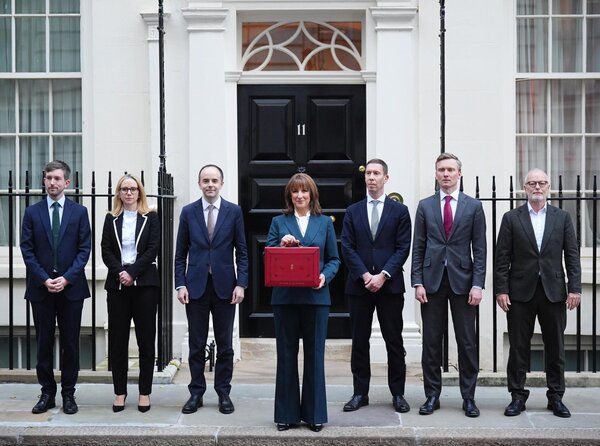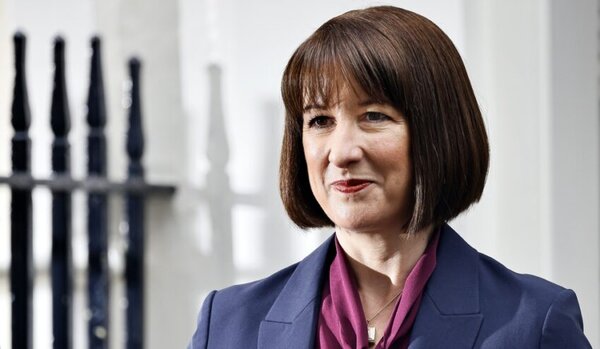
Chancellor Rachel Reeves has little room for fiscal manoeuvre despite a significant tax rise last autumn, according to leading economists. The National Institute of Economic and Social Research (NIESR) has raised concerns over the UK's public finances, indicating that weaker-than-projected economic growth and rising unemployment may leave the Chancellor with scant flexibility.
These developments suggest the possibility of further tax increases in the future, as the government seeks to balance its fiscal responsibilities amid an uncertain economic landscape.
Economic Outlook Remains Challenging
NIESR’s latest analysis presents a cautious view of the UK’s economic prospects. David Aikman, director of NIESR, stated that fiscal space “remains extremely tight,” with high levels of public debt and little ability to absorb future economic shocks.
Economic growth is forecast to remain subdued, with NIESR expecting GDP growth at 1.3 percent next year, falling further to 1.1 percent in 2028. This projection is in contrast with the Office for Budget Responsibility (OBR), which anticipates annual growth rates of 1.5 percent through to the end of the decade.
Higher Unemployment Pressure
Labour market pressures are also mounting. NIESR forecasts the number of unemployed people could reach nearly two million, surpassing the peak during the Covid-19 lockdowns. The current unemployment rate stands at 5.1 percent, already above the OBR’s previous peak prediction of 5 percent.
NIESR projects the jobless rate could rise further to 5.4 percent later this year. Benjamin Caswell, economist at NIESR, noted that increased labour costs are contributing to this trend. “Rising labour costs are impacting hiring and labour market flexibility,” he said.
Tax Rises and Their Effects
The government implemented £26 billion of tax rises in the November Budget in an effort to meet its fiscal targets. However, NIESR argues that these increases have not delivered the intended economic headroom, due to lagging economic growth and persistent unemployment.
This assessment is at odds with previous OBR estimates, which had projected a £22 billion surplus in the government’s fiscal headroom for 2029–30. NIESR, however, questions whether these forecasts adequately account for ongoing economic pressures.
Fiscal Policy under Scrutiny
James Murray, Chief Secretary to the Treasury, addressed the House of Lords Economic Affairs Committee on Tuesday, acknowledging that reduced fiscal headroom may prompt further speculation about government policy choices in the face of “unexpected pressures”.
External experts have also warned of the risks. Lord Frost, director general at the Institute of Economic Affairs, described the public finances as being in a “perilous state” and attributed weaknesses to recent government tax and spending policies.
Labour Market Regulatory Concerns
Increases in the national minimum wage and higher National Insurance contributions have driven up the cost of employing entry-level workers, according to NIESR. The new Employment Rights Act is expected to introduce further regulation for employers, which some believe could discourage the hiring of new workers, particularly the young and inexperienced.
These additional costs, NIESR warned, “are impacting hiring and labour market flexibility more broadly”. The think tank pointed to a 7 percent rise last year in the inflation-adjusted cost of employing an entry-level worker, attributing it to both direct wage rises and associated employer contributions.
Final Summary
UK economic conditions remain challenging, with leading economists warning that Chancellor Rachel Reeves has little fiscal room to address unexpected pressures, despite recent tax rises.
Slower growth and higher unemployment than previously forecast are contributing to tightening constraints, raising concerns about the need for further tax measures. The debate continues over the impacts of regulation and tax policy on employment and growth, while upcoming economic forecasts from the OBR are expected to provide further clarity on the outlook.
For those seeking accessible information on these developments, financial tools such as the Pie app can offer helpful insights for individuals navigating economic changes.